Local Truck Repair: What to Expect and How to Get Back on the Road Faster
Semi Truck Repair That Keeps You Rolling
When you’re searching for local truck repair, you’re usually not browsing for fun—you’re trying to solve a problem right now. Maybe the dash lit up with an ABS warning, the air pressure won’t build, the truck derated, or you’re hearing a new vibration that wasn’t there yesterday. In trucking, a “small issue” can turn into missed appointments, late loads, and expensive downtime fast.
This guide breaks down what local truck repair near you should look like, which repairs matter most for safety and DOT compliance, and how to choose a shop that fixes the root cause—not just the symptoms. If you’re in Phoenix, CT Truck & Trailer Shop is built for exactly that: clear diagnostics, practical repairs, and communication that keeps you in control.
Why Local Truck Repair Matters More Than You Think
A dependable local diesel truck repair shop isn’t just convenient. “Local” can mean quicker triage, shorter tow distances, easier follow-ups and faster parts sourcing, especially when you’re trying to avoid turning a one-day issue into a multi-day sit.
Speed = lower cost per mile
Every hour down has a price: lost revenue, rescheduling fees, detention risk, and sometimes a load you can’t recover. A strong local repair plan can reduce downtime and protect your weekly miles.
Local knowledge helps you stay compliant
Phoenix heat, heavy traffic patterns, and long runs across Arizona can push cooling systems, tires, and brakes hard. A shop that sees these patterns daily can spot failures early and recommend the right fix for your lanes.
When “quick” becomes expensive
A rushed repair that doesn’t address the root cause can cost more later. The goal isn’t the fastest patch – it’s the fastest reliable return to service.
What “Good” Local Truck Repair Looks Like?
Not all truck repair shops run the same. The best local heavy-duty repair shops share a few basics: strong diagnostics, clear estimates and the ability to prioritize safety-critical issues.
Clear process, no guessing
A professional repair experience usually looks like this:
– Symptoms and quick inspection – Diagnostic testing (not assumptions) – Written estimate with options – Repair plan + parts timing – Verification (road test / system checks)
Communication you can act on
You should never feel like you’re chasing updates. A good shop explains:
– what failed – why it failed – what’s required vs. recommended – what can wait until the next service window
Documentation matters
Good notes and photos help you make decisions, support warranty claims and track recurring problems across trucks.
Most Common Local Truck Repairs Drivers Need
If you’re looking for local semi truck repair, these are the issues that most often sideline drivers – or trigger DOT problems.
Brakes and air system issues
Brake performance and air leaks are some of the most urgent repairs because they affect safety and compliance.
Diagnostics for check engine lights and derates
A check engine light doesn’t always mean you’re done, but a derate usually does. The key is accurate diagnostics.
Electrical and no-start problems
Electrical problems can show up as intermittent no-starts, dead batteries, or random dash warnings that come and go.
Cooling system and overheating
Overheating can start subtle, then become catastrophic. If temps rise under load, don’t push it.
Local Trailer Repair: Don’t Ignore the Back Half of the Load
Many downtime problems aren’t the tractor—they’re the trailer. A reliable local truck and trailer repair shop helps you keep the entire unit legal and safe.
Trailer issues that cause DOT headaches
– lights not working / wiring faults – brake adjustments and air leaks – worn tires, cracked rims, damaged mud flaps – suspension and air bag concerns – door hardware and safety latches (depending on trailer type)
Pre-trip tip
If you’re running tight schedules, doing a quick light check and air leak listen before leaving can save hours later.
Why Drivers Choose CT Shop for Local Truck Repair?
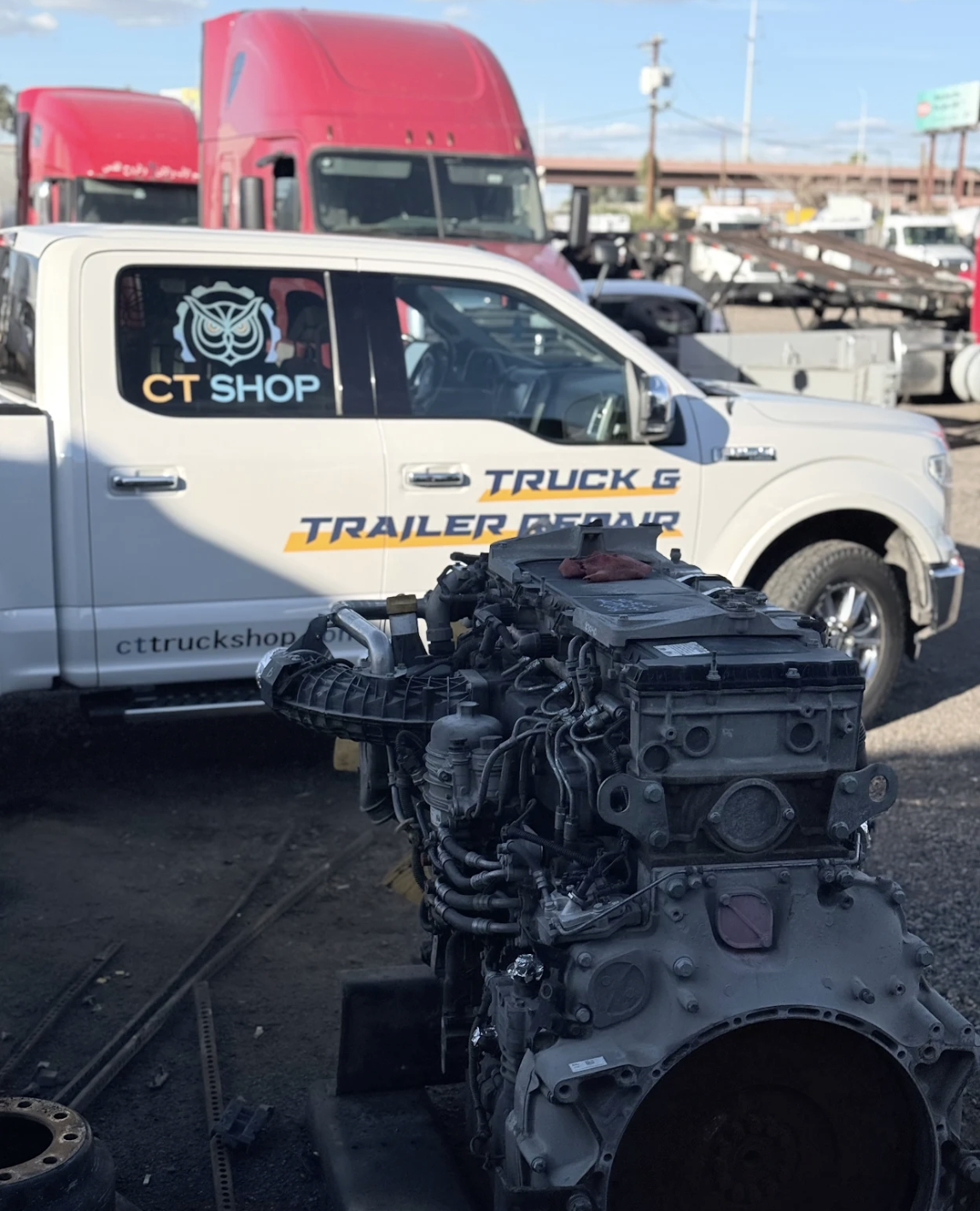
At CT Truck & Trailer Shop, we’re focused on what matters most to drivers and fleets: uptime, safety and clear communication. Whether you need local semi truck repair, local trailer repair, or serious diagnostics, our goal is simple—get you back on the road with confidence.
What you can expect?
Fast triage and honest answers We’ll tell you what’s urgent, what can wait, and what the repair path looks like.
Diagnostics-first approach We prioritize verifying the problem so you’re not paying for unnecessary parts.
Truck + trailer capability One stop for the full unit helps you stay rolling.